Built for evidence.Not assumption.
Anchor Testing Australia exists because anchor performance is often treated as a product assumption when it should be treated as a site-specific engineering question. We provide the independent test evidence needed to answer that question properly.
Independent anchor verification, displacement monitoring, and test-specification support for safety-critical fixings.
Engineers, contractors, builders, façade teams, asset owners, and infrastructure programmes that need evidence before acceptance.
Design intent, installation quality, contractual clarity, and the evidentiary trail needed when anchors are queried later.
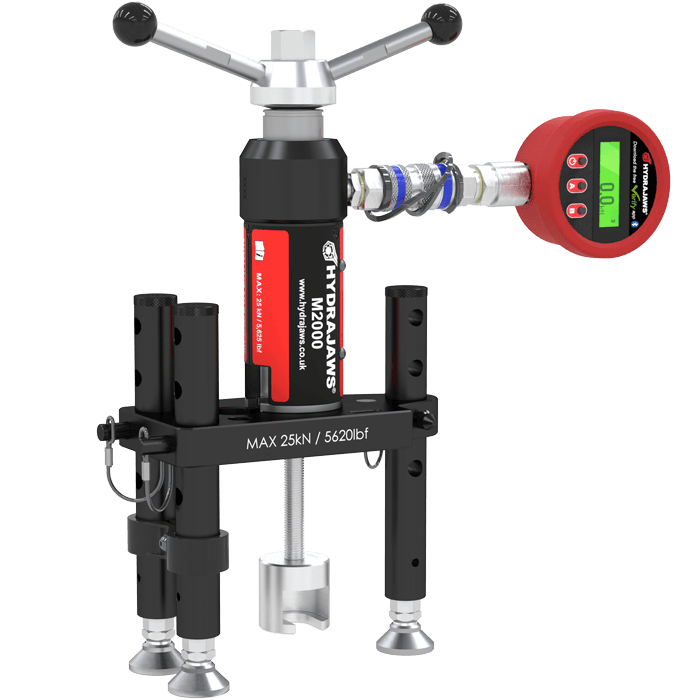
The practical side of the business is site mobilisation, setup quality, load control, and evidence capture under real project constraints.
Filling the gap between installation and engineering acceptance.
In many projects the engineer nominates the anchor, the contractor installs it, and the programme moves on without any independent verification that the installed anchor behaves the way the design assumed. ATA exists to close that gap.
Installation quality varies. Substrates vary. Adhesive systems behave differently under load than a catalogue table suggests. Those realities are manageable when the testing brief is well defined and the evidence is captured by people who understand anchor failure behaviour.
We believe anchor testing should not be treated as a generic site service. It should be scoped with the same care as any other safety-critical engineering activity, with standards, failure criteria, and reporting expectations made explicit before mobilisation.
What independence looks like in practice.
No Conflict of Interest
Our role is to verify anchor performance, not to sell a fixing system or defend an installation crew. That separation keeps the acceptance decision anchored to the evidence captured on site.
Field-led anchor knowledge
Our team works with proof loads, hold windows, displacement readings, and failure observations every week. That practical anchor knowledge improves both the test brief and the interpretation of the results.
Standards-first methodology
Every programme is tied back to the governing standard or project specification. The proof load, sample size, configuration, and pass criteria are set before the test starts, not improvised on site.
Reporting that can be relied on
A useful report records more than a headline number. We document the setup, calibration basis, readings, movement trends, and observations needed for the responsible engineer to make an acceptance decision.
The value is in the sequence, not just the final number.
- Written testing brief before mobilisation
- NATA-calibrated load and displacement equipment
- Engineer-reviewed report with pass/fail basis
- Escalation pathway when failures occur
“If anchors are not selected and installed correctly, they might not have the capability to resist loads as intended. The security of the fixture and, in some cases, the structure might then be compromised, leading to failure with consequential economic loss, injury, or even death.”
Registrations and engineering credentials behind the reporting.
Product imagery on this page is credited to the official Hydrajaws product page below.
Hydrajaws M2000 PRO Tester KitNeed an anchor testing specialist on your programme?
We can help you set the brief, confirm the sampling logic, and execute the field programme with calibrated equipment and engineer-reviewed reporting.